
The Next Step Forward in Guided Reading: A Comprehensive Plan
Contemporary approaches necessitate a shift beyond traditional methods, embracing personalized learning and leveraging technology for impactful literacy development․
Modern guided reading acknowledges the need for adaptable strategies, informed by data and focused on individual student needs, fostering deeper comprehension․
Effective implementation requires careful text selection, strategic grouping, and a move away from outdated practices like “round robin” reading, prioritizing engagement․
The future of guided reading lies in integrating digital tools, supporting diverse learners, and continuously refining instruction based on ongoing assessment results․
Understanding the Evolution of Guided Reading
Historically, guided reading emerged as a response to the limitations of basal readers, aiming for more flexible and responsive instruction․ Early models focused heavily on leveled texts and teacher-directed prompts․ However, the field has dramatically evolved, recognizing the importance of student agency and authentic reading experiences․
The shift towards modern guided reading acknowledges that simply decoding text isn’t enough; comprehension, critical thinking, and a love of reading are paramount․ This evolution is driven by research highlighting the need for individualized support and strategic grouping․
Contemporary perspectives emphasize the role of the teacher as a facilitator, guiding students to construct meaning rather than simply delivering information․ The concept of “guided” now encompasses fostering independence and self-monitoring skills․
Furthermore, the integration of technology and a deeper understanding of diverse learner needs are shaping the next phase of guided reading’s development, moving beyond a one-size-fits-all approach․
The Core Principles of Modern Guided Reading

Central to modern guided reading is a focus on small group instruction, allowing for targeted support based on shared reading needs․ This differs from whole-class lessons, enabling differentiated instruction and personalized feedback․
Another key principle is strategic text selection․ Texts should be appropriately challenging, engaging, and offer opportunities for students to practice specific reading strategies․ Authenticity and relevance are also crucial considerations․
Effective prompting forms a cornerstone, moving beyond simply correcting errors to guiding students towards self-correction and deeper understanding․ Teachers act as facilitators, posing open-ended questions․
Finally, continuous assessment, including running records, is vital for monitoring progress and adapting instruction․ Data-driven decision-making ensures that guided reading remains responsive to individual student needs and fosters growth․
Beyond Basal Readers: Current Approaches
The evolution of guided reading has moved decisively beyond the limitations of traditional basal readers․ Current approaches prioritize authentic literature – diverse genres, engaging narratives, and informational texts – that reflect students’ interests and experiences․
A significant shift involves a focus on leveled texts, carefully selected to match students’ instructional reading levels, ensuring appropriate challenge without frustration․ These texts support targeted skill development․
Furthermore, contemporary practice emphasizes student agency, allowing learners to make choices about texts and reading strategies․ This fosters intrinsic motivation and a sense of ownership over their learning․
Modern guided reading also incorporates a broader range of assessment tools beyond standardized tests, including observations, running records, and student self-assessments, providing a holistic view of progress․
Small Group Instruction: The Foundation

At the heart of effective guided reading lies intentional small group instruction․ This allows teachers to provide focused support tailored to the specific needs of each learner, fostering a collaborative learning environment․
Small groups are not simply about ability grouping; they are dynamically formed based on shared reading strategies or skill deficits․ This flexible grouping ensures students receive targeted instruction․
During small group sessions, the teacher acts as a facilitator, guiding students through challenging texts, prompting strategic thinking, and providing individualized feedback․ Active participation is key․
This foundational element enables differentiated instruction, addressing diverse learning styles and paces․ It’s a departure from whole-class instruction, maximizing individual growth and comprehension․
Strategic Grouping for Maximum Impact
Moving beyond static ability grouping is crucial․ The next step involves forming groups based on specific, teachable reading behaviors observed during individual assessments․ This ensures targeted support․
Flexible grouping allows students to participate in various groups throughout the week, addressing different needs․ One group might focus on inferencing, while another tackles vocabulary acquisition․
Consider grouping by strategy deficit – students struggling with predicting, for example, can receive focused instruction․ This approach maximizes instructional time and accelerates learning․
Observational data is paramount․ Teachers must continuously monitor student performance and adjust group compositions accordingly, ensuring groups remain responsive to evolving needs․
Effective strategic grouping isn’t about labeling students; it’s about providing the right support, at the right time, to unlock their full reading potential and foster confidence․
Selecting Texts: A Critical Component
The next evolution in text selection moves beyond simply leveling books․ It prioritizes choosing texts that offer rich opportunities for teaching specific reading strategies and skills․
Authentic literature should be favored over basal readers, providing engaging content that sparks student interest and promotes deeper comprehension․ Texts should be diverse and representative․
Consider the “teachability” of a text – does it lend itself to focused lessons on inferencing, vocabulary, or predicting? A challenging but accessible text is ideal․
Short passages and excerpts can be valuable, allowing for intensive focus on a specific skill without overwhelming students․ Variety in text format is also beneficial․
Thoughtful text selection is the cornerstone of effective guided reading, directly impacting student engagement, learning, and overall reading growth․ It’s a deliberate and crucial process․
Focusing on Specific Reading Strategies
The modern approach to guided reading emphasizes intentionality – each lesson should target one or two key reading strategies, rather than a broad, unfocused approach․
Explicit instruction in strategies like predicting, inferencing, and visualizing is paramount․ Teachers model these strategies, think aloud, and provide guided practice․
Moving beyond simply asking “what happened?”, prompts should encourage students to articulate their thinking processes and demonstrate their strategic reading behaviors․
Strategy selection should be data-driven, based on individual student needs identified through ongoing assessment, like running records and observation․
A focused approach maximizes learning by allowing students to deeply understand and apply specific strategies, ultimately fostering independent and proficient reading habits․
Predicting and Inferencing Techniques
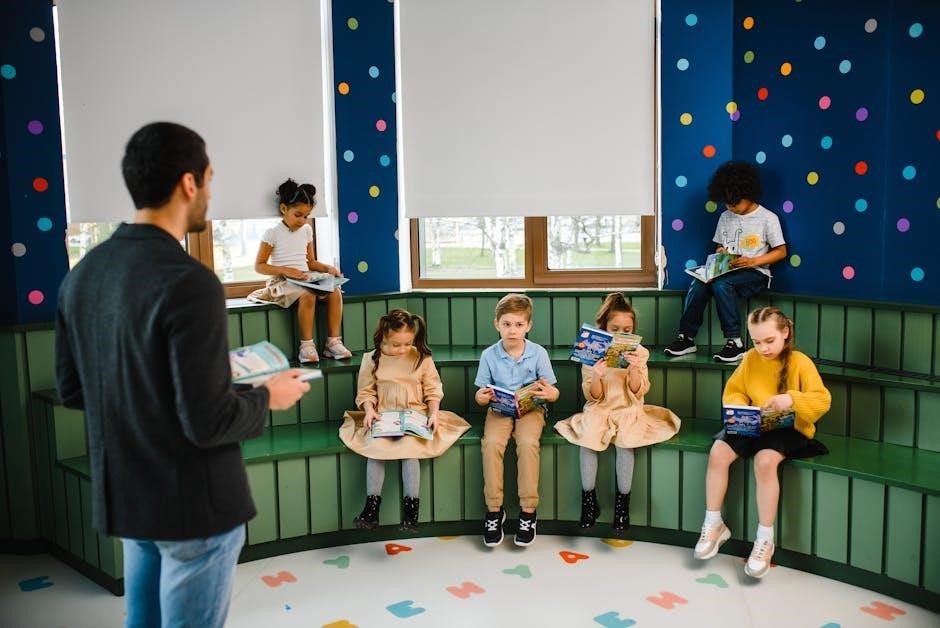
Advancing guided reading necessitates moving beyond simple predictions to sophisticated inferencing․ Encourage students to use textual clues and background knowledge․

Effective techniques involve prompting students to articulate why they are making a prediction, citing evidence from the text and their prior experiences․
Inferencing should be modeled explicitly; teachers demonstrate how to “read between the lines” and draw logical conclusions based on implicit information․
Scaffolding is crucial – start with readily inferable information and gradually increase complexity, providing support as needed to build confidence․
Promote discussion where students share and justify their inferences, fostering critical thinking and a deeper understanding of the text’s nuances․
Vocabulary Development in Guided Reading
The next step in guided reading prioritizes intentional vocabulary instruction, moving beyond simply defining words in isolation․ Contextual understanding is key․
Effective strategies include pre-teaching key vocabulary, encouraging students to identify unknown words while reading, and discussing multiple meanings․
Focus on morphology – exploring prefixes, suffixes, and root words – empowers students to decode unfamiliar terms independently and expand their lexicon․
Rich discussions about word choice and author’s purpose deepen comprehension and highlight the nuances of language, fostering a love of words․
Encourage students to keep vocabulary journals, recording new words, definitions, and examples of usage, reinforcing learning and promoting retention․
The Role of Prompts and Questions
The evolving role of prompts and questions in guided reading centers on fostering student thinking, not simply eliciting correct answers․
Strategic questioning should move beyond recall to encourage inferencing, prediction, and critical analysis of the text, promoting deeper comprehension․
Open-ended prompts – “What makes you say that?” or “Can you tell me more?” – invite students to elaborate on their reasoning and justify their interpretations․

Effective prompts scaffold learning, providing support when needed but gradually releasing responsibility to the reader, building confidence and independence․
Avoid leading questions that hint at the desired response; instead, focus on prompting students to revisit the text and construct meaning for themselves․
Effective Prompting Strategies
Moving forward, effective prompting transcends simple questioning, becoming a dynamic interaction that supports student’s cognitive processes․
Think-alouds, where teachers model their own thinking while reading, demonstrate effective strategies and provide a framework for student responses․
Partial prompts offer a starting point, like “This reminds me of…”, encouraging students to make connections and build upon existing knowledge․
Wait time is crucial; allowing students sufficient time to formulate their thoughts before responding fosters more thoughtful and elaborate answers․
Redirecting prompts – “Let’s look back at the text” – guide students to evidence supporting their claims, strengthening comprehension skills․
Avoid rescue prompts; instead, encourage students to self-monitor and problem-solve, promoting independence and a deeper understanding․
Moving Beyond “Round Robin” Reading
Contemporary guided reading decisively moves away from the limitations of “round robin” reading, recognizing its detrimental impact on fluency and comprehension․
This outdated practice often prioritizes turn-taking over genuine engagement with the text, hindering deeper processing and critical thinking skills․

Instead, prioritize choral reading, echo reading, or partner reading, fostering a supportive environment for practicing decoding and prosody․
Focused reading, where students silently read a designated portion of the text, allows for individual processing and targeted strategy application․
Whispered reading provides a private space for students to practice fluency without the pressure of public performance, building confidence․
The goal is to create a reading experience that is both engaging and purposeful, promoting a love of reading and fostering independent learners․
Assessment and Progress Monitoring
Effective guided reading necessitates consistent assessment and progress monitoring to inform instructional decisions and personalize learning paths․
Moving beyond solely relying on standardized tests, embrace formative assessment techniques like observations, anecdotal notes, and student self-assessments․
Regularly conduct running records to gain detailed insights into students’ reading behaviors, identifying specific strengths and areas for growth․
Analyze data from these assessments to pinpoint patterns and tailor instruction to address individual needs, ensuring targeted support․
Utilize checklists and rubrics to track students’ mastery of key reading strategies, providing clear expectations and measurable outcomes․
Data-driven instruction allows for flexible grouping and differentiated activities, maximizing impact and fostering continuous improvement;
Running Records: A Detailed Analysis
Running records remain a cornerstone of effective guided reading, providing a detailed window into a student’s reading process․
Beyond simply noting errors, focus on analyzing error patterns – substitutions, omissions, insertions, and self-corrections – to understand underlying strategies․
Consider the qualitative aspects of reading: fluency, phrasing, and expression, alongside accuracy to gain a holistic view of comprehension․
Utilize coding systems consistently to accurately document reading behaviors and track progress over time․
Analyze the error rate and self-correction ratio to determine the text’s difficulty level and the student’s instructional reading level․
This detailed analysis informs targeted instruction, allowing teachers to address specific needs and support students’ growth as readers․
Data-Driven Instruction: Adapting to Needs
The evolution of guided reading emphasizes a shift towards data-driven decision-making, moving beyond generalized assumptions․
Regularly analyze running record data, alongside formative assessments, to pinpoint specific skill gaps and strengths for each student․
Utilize this information to dynamically adjust small group compositions, ensuring students are matched with appropriate texts and support․
Implement flexible grouping strategies, allowing students to move between groups based on demonstrated needs and progress․
Monitor student responses to targeted interventions and modify instruction accordingly, embracing a responsive teaching approach․
Data informs not only grouping and text selection but also the specific strategies taught within guided reading sessions, maximizing impact․
Technology Integration in Guided Reading
The next evolution of guided reading seamlessly integrates digital tools to enhance engagement and personalize learning experiences․
Utilize digital texts with features like adjustable font sizes, text-to-speech, and built-in dictionaries to support diverse learners․
Explore interactive reading platforms offering immediate feedback and opportunities for practice with key reading strategies․
Leverage online assessment tools to efficiently collect data on student progress and inform instructional decisions․
Create personalized learning paths using technology, allowing students to work at their own pace and focus on specific skill development․
Technology isn’t a replacement for teacher guidance, but a powerful tool to amplify instruction and cater to individual needs effectively․

Utilizing Digital Texts and Tools
The advancement of guided reading benefits greatly from thoughtfully selected digital resources, offering dynamic learning opportunities․
Interactive ebooks provide features like embedded vocabulary support, highlighting tools, and immediate comprehension checks․
Online reading platforms offer a vast library of texts at varying reading levels, facilitating differentiated instruction․
Digital annotation tools empower students to actively engage with the text, marking key ideas and posing questions․
Audiobook integration supports struggling readers and provides models of fluent reading, enhancing comprehension․
Virtual collaboration tools enable small group discussions and peer feedback, fostering a sense of community․
Effective implementation requires careful consideration of accessibility and ensuring equitable access to technology for all students․
Personalized Learning Paths with Technology
Technology empowers educators to create truly personalized guided reading experiences, catering to individual student needs․
Adaptive reading programs assess student proficiency and automatically adjust text complexity, ensuring appropriate challenge․
Data analytics provide insights into student strengths and weaknesses, informing targeted instruction and intervention․
Learning management systems facilitate the delivery of customized reading assignments and track student progress․
Digital portfolios allow students to showcase their reading growth and reflect on their learning journey․
Personalized feedback tools offer timely and specific guidance, promoting self-regulation and metacognitive awareness․
Successful implementation requires a blended approach, combining technology with teacher expertise and meaningful interactions․
Addressing Diverse Learner Needs
Effective guided reading necessitates a responsive approach to diverse learners, acknowledging varied backgrounds and abilities․
Supporting English Language Learners requires providing access to appropriately leveled texts with visual aids and pre-teaching key vocabulary․
Students with reading difficulties benefit from explicit instruction in phonics, fluency, and comprehension strategies, alongside accommodations․
Differentiated instruction allows teachers to tailor text selection, grouping, and prompting to meet individual needs․
Culturally responsive teaching incorporates texts that reflect students’ identities and experiences, fostering engagement․
Universal Design for Learning (UDL) principles promote accessibility and inclusivity, ensuring all students can participate fully․
Collaboration with specialists, such as special education teachers, enhances support for students with complex needs․
Supporting English Language Learners
Guided reading for ELLs demands a focus on both language development and comprehension skills, building a strong foundation․
Pre-teaching vocabulary is crucial, utilizing visuals, realia, and student-friendly definitions to enhance understanding before reading․

Providing sentence stems and graphic organizers supports language production and facilitates active participation in discussions․
Leveraging cognates – words with similar origins and meanings – bridges language gaps and boosts confidence․
Scaffolding comprehension through explicit modeling of strategies like predicting and inferencing is essential․
Utilizing leveled readers with simplified language and culturally relevant content promotes accessibility and engagement․
Encouraging peer interaction allows ELLs to practice language skills in a supportive environment, fostering fluency․
Valuing translanguaging – using all of a student’s linguistic resources – acknowledges and celebrates linguistic diversity․
Accommodations for Students with Reading Difficulties
Effective guided reading for students with reading difficulties necessitates individualized support and targeted interventions․
Providing audio support – allowing students to listen to the text while following along – reduces cognitive load and improves fluency․
Offering pre-reading activities that build background knowledge and activate prior experiences enhances comprehension․
Breaking down complex texts into smaller, manageable chunks makes the reading process less daunting․
Utilizing multi-sensory approaches – incorporating visual, auditory, and kinesthetic elements – caters to diverse learning styles․
Allowing extended time for reading and responding reduces pressure and promotes thoughtful engagement․
Providing graphic organizers and note-taking templates supports organization and recall of information․
Implementing repeated reading strategies builds fluency and automaticity, strengthening decoding skills․